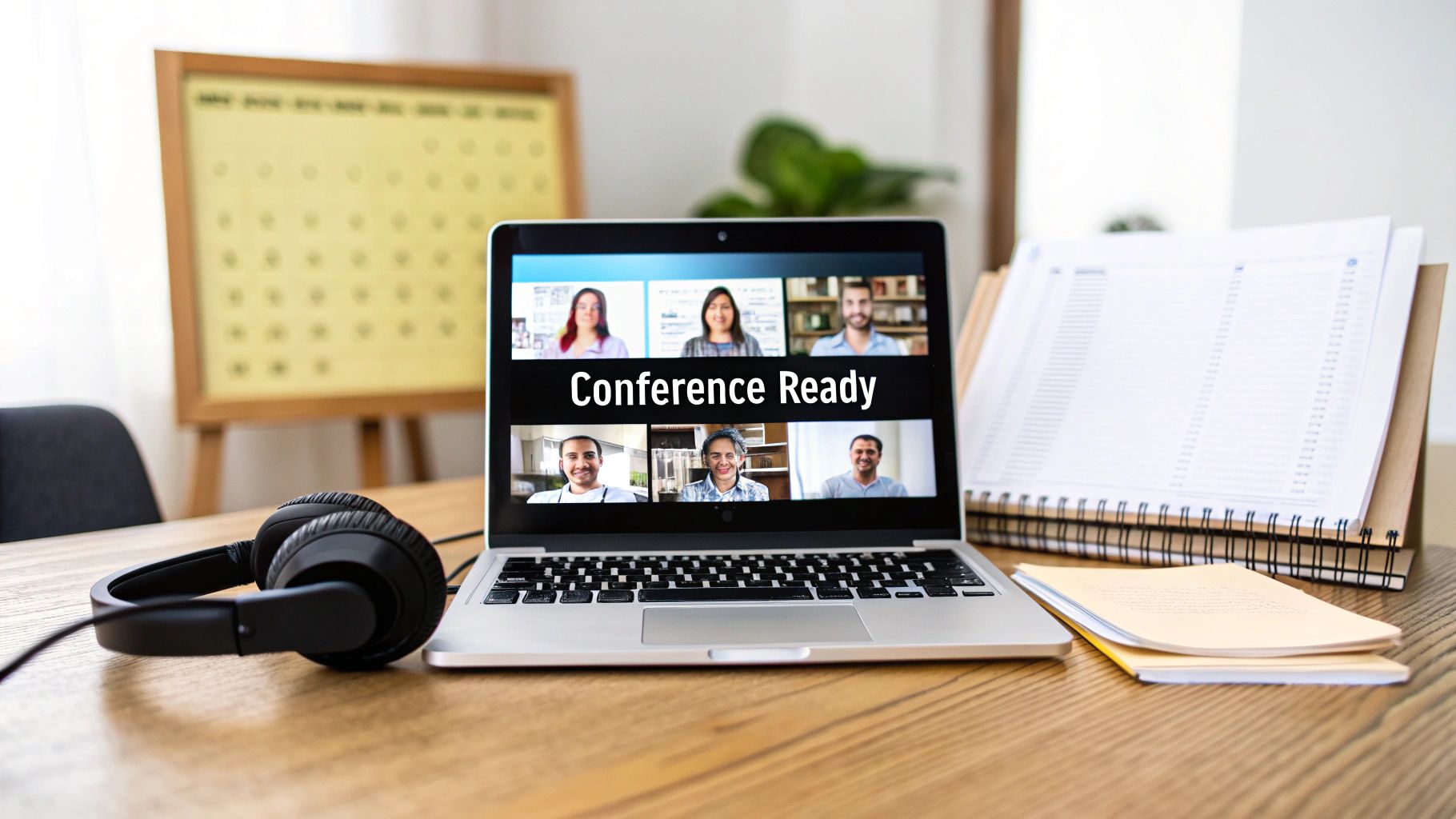
Getting a conference call set up properly really comes down to three main areas: planning the objective, nailing down the technology, and managing the actual conversation. If you can master that flow, you'll turn what could be a chaotic mess into a productive meeting with clear outcomes. It’s not so much about the specific buttons you click, but the thinking you put in before the call even starts.
From Chaos to Clarity: The Modern Conference Call
Let's be real—setting up a conference call can feel like a roll of the dice. Will the tech work? Is everyone on the same page? This guide is designed to take the guesswork out of your virtual meetings. We're going to get beyond just sending a calendar invite and dive into a solid framework for planning, running, and following up on calls that actually get things done.
This isn't just about logistics. It's about being strategic in how you communicate. You'll learn how to set a clear purpose for every call, pick the right tools without feeling overwhelmed, and steer conversations toward real decisions and actions.
Why Structured Calls Matter More Than Ever
With so many of us working remotely or in hybrid setups, being good at virtual collaboration has become a non-negotiable business skill. The numbers back this up: the conference call services market is expected to hit USD 8.56 billion in 2025 and climb to USD 10.55 billion by 2033. For a deeper dive into these trends, you can check out the full global conference call services report from Market Research. This explosive growth just shows how critical it is for teams to get this right.
A well-run conference call is more than a meeting; it's a reflection of your organization's efficiency and professionalism. Getting it right builds trust with clients and empowers your team to collaborate effectively, no matter where they are.
The infographic below really paints a picture of the journey from a disorganized call to a clear, actionable meeting.

As you can see, clarity doesn't just happen by accident—it’s the direct result of thoughtful planning. When you take scattered ideas and shape them into a structured agenda, you're setting the stage for a meeting that delivers real value. Our goal here is to help you make every single call a powerful tool for moving forward.
Your Pre-Call Blueprint for Success

A great conference call doesn't just happen. It's the result of thoughtful planning that starts long before anyone clicks "Join Meeting." Skipping this prep work is the number one reason calls go off the rails, turning into a rambling, unproductive waste of time. The very first thing you need to do is ask one simple, powerful question: “Why are we having this meeting?”
The answer can't be a vague "project update." Get specific. Are you meeting to get final sign-off on the Q3 roadmap? To brainstorm three solid solutions for a client's problem? Or to make a firm decision on the marketing budget? Having a single, crystal-clear objective acts as your North Star, guiding every other decision from who to invite to how long you’ll need.
Crafting an Outcome-Driven Agenda
With a clear goal in mind, you can build an agenda that actually gets you there. A good agenda is more than a list of topics; it's a roadmap to a specific outcome. Ditch vague points like "Discuss sales numbers" and frame each item as a question to answer or an action to take.
For instance, an agenda item like "Website Redesign" is pretty weak. A much stronger, action-oriented version looks like this:
- Review: Quick 5-minute walkthrough of the new homepage mockup (link attached).
- Discuss: What are the potential friction points for new users? (10 mins)
- Decide: Final approval on the color palette. (5 mins)
This structure immediately tells everyone what’s expected of them and keeps the conversation from drifting. Be sure to send this agenda out with the calendar invitation at least 24 hours in advance. This one simple step encourages people to show up prepared, which completely changes the quality of the conversation.
Curating the Guest List and Schedule
Now that you know what you need to accomplish, you can figure out who really needs to be there. Your goal is to get the smallest group possible in the room that can achieve the objective. Jam-packed calls kill focus and make it nearly impossible to make a decision. If someone just needs to be kept in the loop, send them the meeting notes later instead.
Scheduling, especially across different time zones, can be a real headache. Don't leave it to guesswork.
Use a tool like World Time Buddy to find a time that works for everyone without forcing someone to join at 6 a.m. It’s a small courtesy that shows you respect your team's time and sets a collaborative tone from the start.
Finally, treat your calendar invitation like a self-contained toolkit. Put everything an attendee needs in one place so they aren't scrambling for links and documents two minutes before the call starts. A perfect invite includes:
- A Clear Subject Line: e.g., “Decision: Q4 Social Media Ad Spend”
- The Single Objective: State the meeting’s goal right in the first sentence.
- The Full Agenda: Paste it directly into the invite body.
- Connection Details: A clean, clickable link or dial-in number.
- Pre-Reading Links: Attach any documents that people need to review beforehand.
Following this blueprint turns setting up a conference call from a chore into a strategic step that guarantees a more productive and valuable meeting for everyone involved.
Choosing and Configuring Your Technology

We've all been there: the perfectly planned meeting gets completely derailed by a technical glitch. The truth is, mastering your tech is just as important as the agenda itself. The first big decision you’ll face is which platform to use—a browser-based tool or a dedicated app you have to download?
Browser-based platforms, like AONMeetings, are fantastic for accessibility. Participants can join with a single click, which removes the headache of downloads and installations. This is a lifesaver for calls with clients or anyone who isn't particularly tech-savvy. On the flip side, some desktop applications offer more powerful features and tight integrations with other software. To really get a feel for what’s out there, it helps to check out guides on the best virtual conference platforms and see how they stack up.
Your Pre-Call Tech Checklist
Before you launch any call, get into the habit of running a quick pre-flight check on your gear. I’m not exaggerating when I say this simple five-minute routine can prevent 90% of common technical issues. Think of it as your insurance policy against awkward silences and frantic troubleshooting.
First, your audio. Is your microphone actually selected as the input device in your system settings and in the conference app? Do a quick test recording to make sure you sound clear, not like you're in a wind tunnel. A headset with a dedicated mic will almost always beat your laptop's built-in option.
Next, glance at your camera and lighting. Open your camera app to confirm it’s working and that your face is framed nicely. The golden rule of lighting? Make sure the main light source is in front of you, not behind you, or you’ll turn into a silhouette. Lastly, do a quick internet speed test—a stable connection is the bedrock of smooth video.
Configuring Your Platform for Success
Going beyond the hardware, digging into your platform’s settings is where you really take control. These aren’t just fancy extras; they are critical tools for running a professional and secure meeting.
- Waiting Rooms: Always enable this. It lets you control exactly who enters the meeting and when, preventing people from popping in early and interrupting another session. It's also a great first line of defense for security.
- Participant Permissions: Decide ahead of time what attendees can and can't do. Can they share their screen? Unmute themselves at will? For a webinar or formal presentation, you’ll probably want to restrict these abilities to hosts and presenters only.
- Automatic Recording: If you need a recording for people who can't make it, set it to start automatically. It’s one less thing to remember once the meeting gets going.
Security First: Never compromise on security. Always choose platforms that offer end-to-end encryption, especially if you’re discussing sensitive company data or need to meet compliance standards like HIPAA.
Choosing the right platform is more than a small-team decision; it's a major operational choice for large organizations. Industry data shows that by 2025, an estimated 84% of enterprises with over 1,000 employees will rely on dedicated conference systems. This huge adoption rate highlights just how critical scalable and reliable communication tools have become.
For certain industries, like healthcare, security isn't just a feature—it's a legal requirement. This is something we cover in depth here: https://aonmeetings.com/wp-content/uploads/2025/11/the-clinic-leaders-checklist-implementing-secure-telehealth-video-conferencing-in-the-browser-for-hipaa-compliant-care-featured-image-1-1024×683.jpg. Taking a few moments to properly configure your platform is the key to ensuring a smooth, professional, and secure experience for everyone involved.

Conference Call Platform Feature Checklist
When you're trying to pick the right platform, the options can be overwhelming. Use this checklist to cut through the noise and figure out what features are truly essential for your team, whether you're a small startup or a large enterprise.
| Feature | Essential for Small Teams | Recommended for Enterprise | Key Consideration |
|---|---|---|---|
| Browser-Based Access | ✅ | ✅ | Eliminates downloads, making it easy for guests to join. |
| HD Video/Audio Quality | ✅ | ✅ | Non-negotiable for professional communication. |
| Screen Sharing | ✅ | ✅ | Critical for presentations, demos, and collaboration. |
| Recording & Transcripts | ✅ | ✅ | Essential for sharing meetings and for record-keeping. |
| Waiting Rooms | ✅ | ✅ | Basic security feature to control meeting access. |
| Breakout Rooms | ➖ | ✅ | Great for workshops, training, and large group engagement. |
| End-to-End Encryption | ✅ | ✅ | A must-have for protecting sensitive conversations. |
| SSO Integration | ➖ | ✅ | Streamlines user management and enhances security. |
| Custom Branding | ➖ | ✅ | Reinforces brand identity in client-facing calls. |
| API Access | ➖ | ✅ | Allows for deep integration with other business tools. |
Ultimately, the best platform is the one that fits your workflow and security needs without adding unnecessary complexity. A small team might prioritize simplicity and cost-effectiveness, while an enterprise will need robust security, administrative controls, and scalability.
How to Lead a Productive and Engaging Call

You’ve done all the prep work and tested your tech, but now comes the most important part—the human element. The best agenda in the world won’t save a meeting that’s disorganized or boring. As the host, it's your job to guide the conversation, make sure everyone gets a chance to speak, and steer the team toward a clear outcome.
How you begin the call sets the stage for everything that follows. Starting on time is non-negotiable; it shows you respect everyone’s time. A quick welcome, followed by a one-sentence recap of the meeting's goal, immediately gets everyone on the same page.
Mastering the Art of Facilitation
One of the biggest challenges when you set up a conference call is managing the natural ebb and flow of conversation. Your role isn't just to talk; it's to create an environment where everyone feels comfortable contributing. This means you sometimes have to actively draw out the quieter folks on the team.
Try calling on people by name, but keep it casual and inviting.
Something like, "Sarah, you have a lot of experience with this client—what are your thoughts?" works wonders. It's a direct invitation that shows you value their specific expertise, not a demand to perform.
On the flip side, you also have to be ready to gently rein in those who might dominate the conversation. If someone starts to ramble or veers off-topic, it's your job to get things back on track without making it awkward.
A great way to do this is to say, "That's a great point, Mark. Let's bookmark that for a follow-up so we can be sure to cover our last agenda item." It validates their contribution while politely steering the ship back in the right direction.
To get even more out of your meeting, look into features like recording Skype calls. This is a lifesaver for sharing the discussion with anyone who couldn't attend or for reviewing key decisions later on.
Upholding Conference Call Etiquette
Good etiquette is more than just being polite; it’s about creating an environment that’s efficient and respectful for everyone involved. A few simple ground rules can make a massive difference in the quality of any call.
Here are a few must-haves for every attendee:
- Mute Your Mic: This is the golden rule. If you aren't talking, your mic should be muted. It’s the single best way to cut out distracting background noise like keyboard clicks, a barking dog, or that unexpected siren.
- Introduce Yourself: On calls without video, always state your name before you speak (e.g., "Hi, it's Alex"). This simple habit prevents confusion and helps everyone keep track of who’s talking.
- Kill the Distractions: Close those extra browser tabs, silence your phone, and give the meeting your full attention. Trying to multitask just communicates that you don’t value the conversation.
- Use Visual Cues: When you're on a video call, non-verbal feedback is powerful. A simple nod shows you're listening, and a thumbs-up can signal agreement without interrupting the person speaking.
By actively guiding the conversation and setting clear expectations for etiquette, you can turn a routine call into a genuinely productive session where people feel heard and work actually gets done.
Solving Common Conference Call Glitches
Let's be realistic: even with the best preparation, technology will eventually throw you a curveball. A sudden glitch doesn't have to crater your meeting, though. The key is knowing how to handle it calmly, and that comes from anticipating the most common problems you're likely to face.
More often than not, the first thing to go is the audio. We've all been there—the dreaded echo, static, or garbled, robotic voices. Nine times out of ten, this is because someone is using their computer’s built-in speakers and microphone at the same time, creating a nasty feedback loop.
Restoring Clear Audio and Connection
When audio quality tanks, the fastest way to fix it is to ask everyone to mute their microphones. From there, the person speaking needs to be using a headset. Seriously, it's that simple. A headset with a dedicated mic isolates their voice and immediately kills the feedback, bringing clarity back to the call.
Another classic headache is when a crucial attendee just can't get into the meeting. This is exactly why you always need a Plan B.
- Always Provide a Dial-In Number: Every single meeting invite should include a good old-fashioned phone number and access code. It's a rock-solid backup for anyone fighting with a spotty internet connection.
- Designate a Co-Host: Empower a co-host to be your technical point person. They can jump on a text or a separate call with the person having trouble, which frees you up to start the meeting on time without leaving anyone behind.
Having a backup plan isn’t about expecting failure; it’s about ensuring the meeting’s objective is met no matter what. A simple dial-in number can be the difference between a canceled meeting and a successful one.
Handling Screen-Sharing Failures
Screen sharing is another common point of failure. You’ll often run into someone who hasn't granted the right browser permissions, or their network connection is just too slow to handle the video stream. A quick fix is to send a gentle reminder to all presenters beforehand, asking them to test their screen-sharing function.
If a presenter’s screen share dies mid-call, your co-host can be a lifesaver. If you've sent them the slides ahead of time, they can simply take over and share the presentation from their own screen, keeping the momentum going. These technical hiccups are also a good reminder of why strong security is so vital. You can learn more about how to protect these connections by comparing different encryption standards.
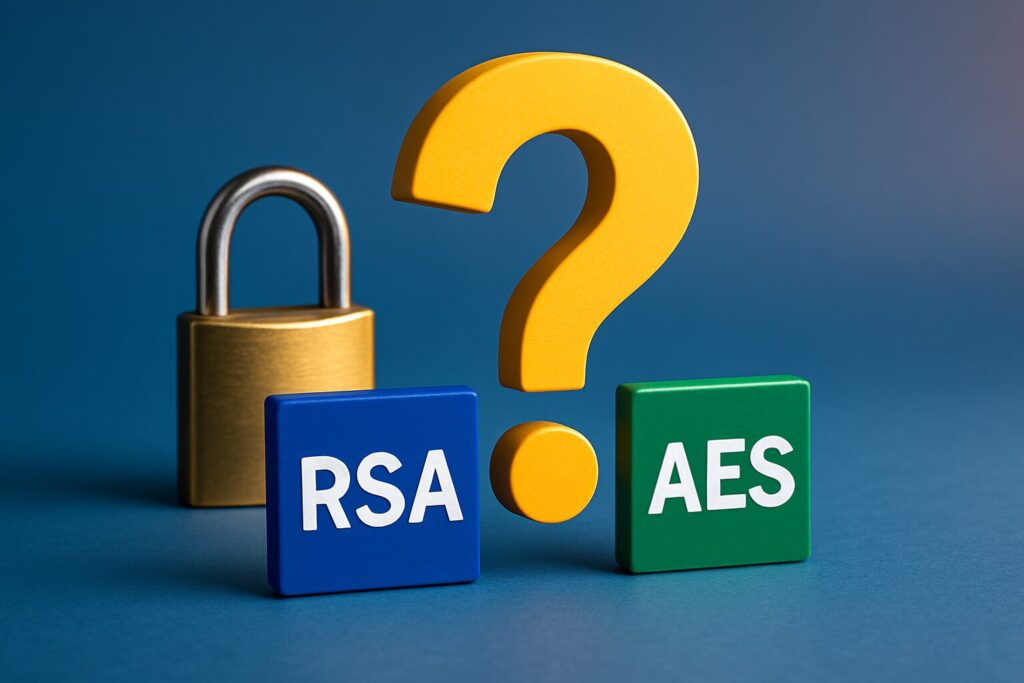
By thinking through these common glitches ahead of time, you can handle them with confidence and keep your call on track.
How AONMeetings Takes the Headache Out of Conference Calls
Let's be honest, setting up a conference call can feel like you're herding cats. You just want to have a conversation, but first, you have to wrestle with scheduling, downloads, and a dozen other little things. This is where choosing the right platform makes all the difference. We built AONMeetings to get the technology out of your way so you can focus on what actually matters—the meeting itself.
The biggest game-changer? It’s entirely browser-based. No more telling participants they have to download and install an app they’ll only use once. They just click a link, and they’re in. It sounds simple, but it removes the single most common point of failure for any online meeting.
This kind of simplicity is becoming non-negotiable. The global video conferencing market is exploding, projected to hit $13.07 billion in 2025 after reaching $11.65 billion in 2024. That growth tells you one thing: people need tools that just work, without the fuss. If you're curious about the numbers behind this shift, you can find more video conferencing statistics and insights here.
From a Simple Idea to the Final Recap
AONMeetings isn’t just about making it easy to join a call; it’s about streamlining the entire process, from start to finish. You can handle all the planning right inside the platform—scheduling, sending invites, and attaching the agenda so everyone shows up on the same page.
Once the meeting starts, you have everything you need. The recordings are crisp and clear, and the AI-powered transcription means you don't have to scramble to take notes. It's all there for you, making follow-ups and action items a breeze.
A great platform doesn't just connect people; it turns you from a tech troubleshooter into a true facilitator. The technology should support the conversation, not dominate it.
At the end of the day, it's about making professional communication feel effortless. Security is baked right in with end-to-end encryption, and our pricing is completely transparent. You can host your meetings with total peace of mind, knowing there are no hidden costs or security loopholes.

Your Top Conference Call Questions, Answered
Even with the best-laid plans, a few nagging questions always seem to surface when you’re setting up a conference call. Let's tackle some of the most common ones I hear—getting these right will make you feel more confident and ensure your meetings hit the mark.
One of the big ones is always about timing: "How much notice should I give?" It really depends on who you're inviting. For a quick sync with your own team, 24 to 48 hours is usually plenty of lead time.
But if you're pulling in clients, partners, or people from different time zones, give them a solid week. It's not just a courtesy; it gives everyone a real chance to prep and come ready to contribute, not just show up.
How Many People is Too Many?
This question comes up a lot, and the honest answer is: it depends entirely on your goal.
If you need to make a decision or have a serious brainstorming session, keep the group tight. I’ve found the sweet spot is between 5 and 8 people. Any more than that, and you start losing the ability for everyone to genuinely participate.
On the other hand, if you're just broadcasting information, like a company-wide update, the sky's the limit. For those large-scale calls where you still want feedback, I’d suggest hosting smaller, targeted follow-up meetings afterward. It’s way more effective.
Are Paid Conference Call Services Actually Worth It?
People often wonder if they can get by with free tools. For a quick, casual chat? Sure. But for your business, investing in a professional service is a no-brainer. Free services just can't compete when it comes to the essentials.
Paid platforms almost always provide:
- Better audio and video quality, which makes a huge difference in how professionally you come across.
- Serious security features, like end-to-end encryption to protect sensitive conversations.
- Genuinely useful tools like call recording, AI transcripts, and real customer support when you need it.
Ultimately, a reliable service isn't just an expense; it’s an investment in your professional image and in running smooth, productive meetings.
AONMeetings is built to handle all of this effortlessly. With secure, no-download browser access and a full suite of features, you can stop worrying about the tech and start focusing on what matters. See for yourself at https://aonmeetings.com.