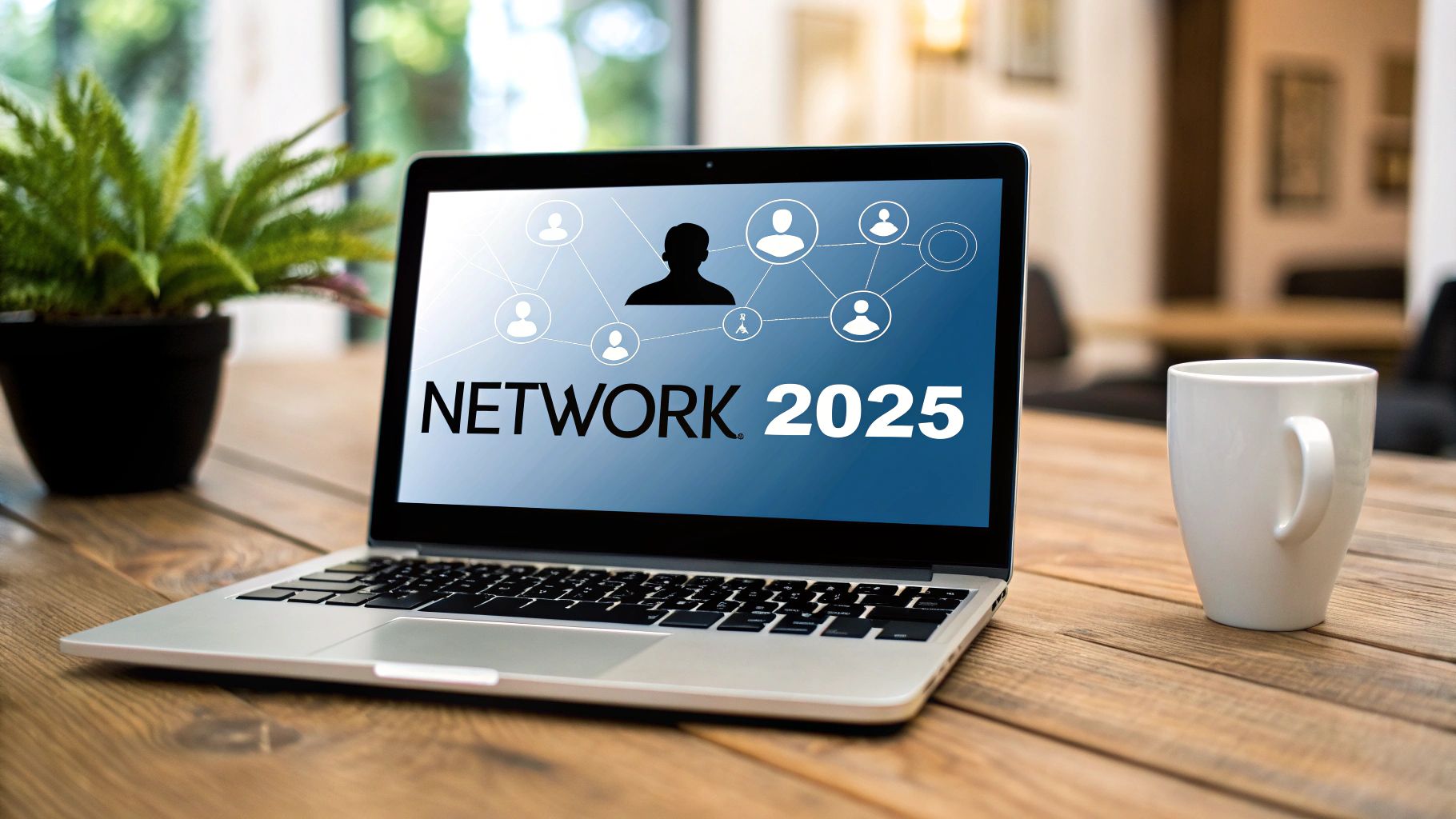
In a world where remote work and digital conferences are the norm, the challenge isn't just to connect, but to connect meaningfully. Generic video calls and unstructured chat rooms often lead to networking fatigue and missed opportunities. Staring at a grid of faces, waiting for someone to break the silence, is an ineffective way to build professional relationships. To truly reimagine online connections and move beyond awkward silences, consider adopting formats such as innovative business mixers leveraging technology that are designed for engagement from the ground up.
This article moves beyond the basics, offering a curated list of ten actionable virtual networking event ideas. We will explore practical strategies to transform your online gatherings from passive viewing experiences into dynamic, engaging forums where genuine professional relationships can flourish. These concepts are designed to foster interaction, spark conversation, and deliver tangible value to every attendee.
Whether you're a seasoned event planner or organizing your first virtual meetup, these ideas will provide the framework you need to create memorable and impactful networking events. We'll detail the what, why, and how for each concept, from speed networking and gamified challenges to skill-based workshops, ensuring you have the tools to execute them flawlessly.
1. Speed Networking Breakout Rooms
Speed networking breakout rooms are a high-energy, structured approach to virtual networking that maximizes connections in a minimal amount of time. This format automatically rotates attendees through a series of short, timed, one-on-one or small-group video calls. By eliminating the awkwardness of initiating conversations, it ensures everyone meets multiple new people efficiently.

This method is one of the most effective virtual networking event ideas for large groups where organic mingling is impractical. It mimics the fast-paced nature of traditional speed networking, making it ideal for kickstarting conferences, virtual career fairs, or industry meetups. For instance, major tech companies use this format for developer conferences, and LinkedIn has successfully deployed it for large-scale virtual hiring events to connect recruiters with candidates.
How to Implement It
To execute this idea effectively, focus on structure and preparation. Your event platform's breakout room functionality is the core component.
- Set the Timer: Keep each rotation brief, typically between 3 to 5 minutes. This creates urgency and keeps conversations focused.
- Provide Prompts: Before the event, email participants a list of icebreakers or talking points. You can also display these prompts on-screen during transitions.
- Include Buffers: Schedule a 30-60 second buffer between each rotation. This gives attendees a moment to jot down notes or prepare for the next conversation.
- Facilitate Contact Exchange: Set up a simple way for participants to share contact information, like a shared digital document, a dedicated Slack channel, or a feature within the event app.
By mastering the technical setup, you create a seamless and dynamic environment. Properly managed breakout rooms are key to productive discussions. You can learn more about using breakout rooms on aonmeetings.com to ensure your event runs smoothly.
2. Virtual Coffee Chat Sessions
Virtual coffee chat sessions are informal, small-group video calls designed to replicate the casual, conversational atmosphere of an in-person coffee meeting. This format brings a human touch to digital interactions by encouraging participants to join themed rooms for relaxed discussions over their favorite beverage. It’s a low-pressure way to foster authentic connections.

This method is one of the most personable virtual networking event ideas for building community and rapport. It works exceptionally well for remote teams, professional women's groups, and industry meetup organizers looking to create a more intimate setting than a large webinar. For example, Salesforce's Trailblazer Community uses virtual coffee hours to connect members, while many remote work communities host them as daily standups to build team cohesion.
How to Implement It
To make these sessions successful, focus on creating a comfortable and welcoming environment. The key is in the thoughtful details that encourage natural conversation.
- Set the Atmosphere: Encourage attendees to bring a coffee, tea, or other beverage. Consider sending participants a small gift card for a coffee shop or a tea bag in advance to elevate the experience.
- Create Themed Rooms: Group attendees into smaller breakout rooms based on shared interests, industries, or experience levels. This ensures conversations are relevant and engaging.
- Assign Gentle Moderators: Place a moderator in each room to facilitate introductions and gently guide the conversation if it stalls, ensuring everyone has a chance to speak.
- Provide Optional Topics: Offer a few light, optional discussion prompts to help break the ice, but allow conversations to flow organically.
By curating a relaxed setting, you can foster deeper, more meaningful professional relationships. You can discover more tips for hosting a successful virtual coffee chat to make your next event a standout success.
3. Interactive Virtual Trade Shows
Interactive virtual trade shows transform the traditional exhibition experience into an immersive digital environment. This format features virtual halls, exhibitor booths, product demos, and dedicated networking lounges where attendees can navigate digital spaces, engage with brands, and connect with peers through scheduled meetings or spontaneous chats.

This model is one of the most comprehensive virtual networking event ideas for industry-specific gatherings and product launches. It allows companies to generate leads and showcase innovations to a global audience without geographical limitations. Major events like CES 2021 and the Adobe Summit have successfully adopted this format, using platforms like Hopin and 6Connex to create engaging, large-scale virtual experiences with thousands of participants.
How to Implement It
Successful execution requires a robust platform and a focus on user experience to encourage exploration and interaction.
- Provide Clear Navigation: Offer attendees a guided tutorial or a clear map at the beginning to help them navigate the virtual space confidently.
- Staff Virtual Booths: Ensure each exhibitor booth has representatives available for real-time text or video chat to answer questions and engage with visitors instantly.
- Gamify the Experience: Create a scavenger hunt or a leaderboard that rewards attendees for visiting booths, watching demos, or networking. This boosts engagement and encourages exploration.
- Offer Live Tech Support: Have a dedicated help desk or live chat support to quickly resolve any technical issues attendees might face, ensuring a smooth experience.
By building an intuitive and interactive environment, you can replicate the discovery and connection central to a physical trade show. You can discover how video conferencing tools elevate virtual trade shows on aonmeetings.com to maximize your event's impact.
4. Skill-Based Networking Workshops
Skill-based networking workshops merge education with interaction, creating a dynamic environment where attendees connect through hands-on learning. This format centers on a specific skill, such as coding, digital marketing, or design thinking, and encourages participants to collaborate on exercises and projects. The shared goal of learning and problem-solving fosters organic, meaningful connections that go beyond a simple exchange of pleasantries.

This method is one of the most engaging virtual networking event ideas because it provides tangible value while facilitating relationship-building. It is perfect for professional development organizations and corporate training events. For example, Google Developer Groups often host coding workshops that include peer programming, while HubSpot Academy runs digital marketing sessions where participants collaborate on strategy, allowing expertise to shine and professional relationships to form naturally.
How to Implement It
Successful execution requires a balance between structured learning and unstructured collaboration. The workshop's design is critical for encouraging both skill acquisition and networking.
- Choose Relevant Skills: Select a topic that is highly relevant and valuable to your target audience. This ensures high engagement and attracts motivated participants.
- Structure Collaborative Exercises: Design breakout sessions where small groups must work together to solve a problem or complete a task. This creates a natural reason for communication.
- Match Skill Levels: When possible, group participants with complementary or similar skill levels. This can enhance peer-to-peer learning and make collaboration more effective.
- Provide Follow-Up Resources: Create a dedicated space like a Slack channel or LinkedIn group for attendees to continue the conversation, share their work, and maintain connections after the event.
By focusing on a shared educational experience, you provide a powerful platform for professionals to connect based on mutual interests and expertise.
5. Virtual Reality Networking Environments
Virtual Reality (VR) networking environments elevate digital interaction by creating immersive, three-dimensional spaces where participants interact through personalized avatars. This futuristic approach moves beyond 2D video calls, enabling natural movement, spatial audio, and non-verbal cues that more closely mimic in-person events. It allows for a level of presence and engagement that traditional platforms cannot match.
This method is one of the most innovative virtual networking event ideas for organizations looking to make a memorable impact. Major companies like Accenture have built entire virtual campuses for employee onboarding and networking, while platforms like VRChat and Mozilla Hubs host industry-specific conferences. The technology is ideal for creative industries, tech-forward companies, and any event aiming to offer a truly unique and engaging experience that attendees will talk about long after it ends.
How to Implement It
Successfully launching a VR networking event requires careful planning around technology and user experience to ensure accessibility and comfort.
- Offer Comprehensive Onboarding: Provide tutorials and guides on how to use the VR platform and headset well before the event. A pre-event tech check-in can prevent day-of issues.
- Design Comfortable Spaces: Create virtual environments that are easy to navigate and visually appealing without being overwhelming. Include quiet areas for one-on-one conversations.
- Provide a Non-VR Option: Ensure attendees can join via a desktop or mobile device. This inclusivity guarantees that no one misses out due to a lack of VR equipment.
- Keep Sessions Short: Start with shorter sessions (30-45 minutes) to prevent VR fatigue, also known as "cybersickness." Incorporate breaks for longer events.
By prioritizing accessibility and user comfort, you can leverage the power of VR to create a deeply engaging and effective networking environment. You can explore platforms like Spatial.io to see how businesses are building these immersive experiences.
6. Gamified Networking Challenges
Gamified networking challenges transform standard virtual meetups into interactive experiences by incorporating game elements. This format uses point systems, challenges, leaderboards, and rewards to motivate attendees, making the process of forming connections more engaging and fun. It turns passive participation into active engagement by giving guests clear objectives to achieve.
This method is one of the most innovative virtual networking event ideas for fostering deep, meaningful interactions rather than just surface-level introductions. For instance, Salesforce uses gamified elements in its Trailhead community events to encourage learning and connection, while corporate HR departments deploy similar tactics for virtual team-building events. It works exceptionally well for multi-day conferences or community-building initiatives where sustained engagement is a key goal.
How to Implement It
To run a successful gamified event, you need to build a framework that encourages interaction without feeling forced. The goal is to make networking feel like a rewarding game, not a chore.
- Design Meaningful Challenges: Create tasks that require genuine interaction, such as "Find someone who works in a different industry and learn one new thing," or "Join a breakout room and collaborate on a one-sentence solution to a common problem."
- Balance Competition and Collaboration: While leaderboards can spur action, also include team-based challenges to foster a collaborative spirit. This ensures everyone feels included, not just the most competitive attendees.
- Offer Valuable Rewards: Incentives are key to driving participation. Understanding how to create motivation is essential, and a guide on designing effective community incentive programs can provide valuable insights into what drives engagement.
- Provide Non-Competitive Options: Ensure there are still traditional, unstructured spaces for attendees who prefer a more relaxed networking environment. This makes the event inclusive for all personality types.
7. Industry-Specific Panel Discussions with Networking
Industry-specific panel discussions combined with networking create a powerful, content-driven experience. This format features a moderated conversation with subject matter experts, followed by dedicated sessions where attendees can engage directly with the panelists and each other. It transforms a passive learning event into an interactive forum for meaningful connections.
This approach is highly effective for professional associations, business schools, and industry publications looking to provide both thought leadership and community building. For example, events like TechCrunch Disrupt and Harvard Business Review's virtual summits use expert panels to draw an audience and then facilitate structured networking to deliver added value. This model is one of the best virtual networking event ideas for establishing authority and fostering a connected professional community.
How to Implement It
Successful execution hinges on balancing insightful content with ample networking opportunities. The key is to make the transition from panel to networking seamless and intentional.
- Create Panelist "Office Hours": Schedule dedicated, post-panel breakout rooms where attendees can join smaller, informal Q&A sessions or one-on-one chats with specific experts.
- Use Interactive Elements: Integrate live polls, Q&A features, and chat discussions during the panel to keep the audience engaged and identify common interest topics for later networking.
- Provide Pre-Event Networking: Give attendees access to a platform where they can view speaker and attendee profiles and send connection requests before the panel begins. This helps them identify who they want to meet.
- Ensure Diverse Perspectives: Curate a panel with experts from different backgrounds and roles within the industry to attract a wider audience and spark more dynamic conversations.
8. Virtual Lunch and Learn Sessions
Virtual lunch and learn sessions blend professional development with informal networking, creating a relaxed midday event. This format invites attendees to join a video call during their lunch break for a brief, insightful presentation followed by structured or unstructured discussion. It capitalizes on a natural break in the day, making it an accessible and low-commitment option for busy professionals.
This idea is particularly effective for building community and sharing knowledge within an organization or industry group. Companies like IBM use this model for internal training and team bonding, while university alumni associations host them to connect graduates across different regions. It’s one of the most practical virtual networking event ideas for fostering continuous learning and engagement without causing screen fatigue.
How to Implement It
To make a lunch and learn successful, the focus should be on convenience and value. The goal is to make participation feel like a welcome break, not another meeting.
- Keep Presentations Concise: Limit the core presentation to 15-20 minutes. This leaves ample time for questions and networking without overwhelming attendees during their break.
- Provide Lunch Stipends: Consider offering a small stipend or a food delivery voucher (e.g., Uber Eats, DoorDash). This small gesture significantly boosts attendance and shows appreciation.
- Make Cameras Optional (Initially): Encourage a "cameras on" policy for the networking portion, but allow them to be off during the meal. This removes any self-consciousness about eating on screen.
- Create a Recurring Series: Host these sessions on a regular schedule, such as bi-weekly or monthly. This consistency helps build a loyal community of attendees who look forward to connecting.
By creating a casual yet valuable experience, you can turn a simple lunch break into a powerful networking opportunity. You can find more tips on structuring engaging learning sessions from MindTools, which provides resources for effective workplace training.
9. Mentor-Mentee Speed Matching
Mentor-Mentee Speed Matching is a structured networking event designed to purposefully connect experienced professionals with individuals seeking guidance. This format uses algorithms or careful pre-event curation to pair participants for a series of brief, focused conversations, laying the groundwork for meaningful long-term mentorships. It transforms generic networking into a targeted relationship-building opportunity.
This method is one of the most impactful virtual networking event ideas for professional associations, corporate diversity programs, and alumni networks. It provides immense value by facilitating career development and knowledge sharing. Organizations like SCORE and industry-specific networks like TechStars use this model to forge powerful connections that guide aspiring entrepreneurs and professionals. It’s also ideal for internal company events aimed at employee growth and retention.
How to Implement It
Successful implementation hinges on thoughtful preparation and structured facilitation. The goal is to create compatible matches and foster productive initial conversations.
- Create Detailed Profiles: Before the event, have both mentors and mentees fill out detailed profiles outlining their expertise, goals, and what they hope to gain. Use this data for manual or automated matching.
- Provide Conversation Guides: Equip participants with a "mentorship starter kit" that includes icebreakers, goal-setting templates, and questions to guide their initial discussions.
- Mix Formats: While one-on-one breakout rooms are the core of the event, include brief group sessions before and after. This allows for introductions and shared reflections on the experience.
- Facilitate Follow-Up: The event's purpose is to initiate relationships. Provide a clear pathway for participants to connect afterward, such as a private directory, a dedicated communication channel, or a formal mentorship program sign-up.
By focusing on curated connections, you can create a high-value experience that supports genuine professional growth. To enhance your program, you can explore mentorship best practices on score.org to ensure long-term success.
10. Project-Based Collaboration Networks
Project-based collaboration networks shift the focus from conversation to creation, allowing attendees to build relationships through shared problem-solving. This format brings small groups together to work on a specific challenge, fostering deep connections as they combine skills to achieve a common goal. It turns passive listening into active participation, making it one of the most impactful virtual networking event ideas.
This hands-on approach is ideal for events centered on innovation, design, or technical skills. It has been successfully implemented in formats like virtual hackathons, where developers code together, and design thinking workshops, like those pioneered by organizations such as the Stanford d.school. Corporate innovation challenges also use this model to bring external talent together to solve real-world business problems, building a talent pipeline in the process.
How to Implement It
Successful implementation hinges on creating a structured yet creative environment. This requires clear objectives and the right collaborative tools.
- Define Clear Goals: Choose projects with specific, achievable outcomes that can be completed within the event’s timeframe. This ensures teams feel a sense of accomplishment.
- Diversify Teams: Intentionally mix participants with different experience levels, roles, and backgrounds to encourage cross-functional learning and richer solutions.
- Provide Frameworks: Equip teams with project management tools (like Trello or Asana) and collaboration platforms (like Miro or Mural) to guide their workflow.
- Schedule Presentations: End the event with a showcase where each team presents its project. This provides a platform for recognition and facilitates a final group feedback session.
Virtual Networking Event Ideas Comparison Matrix
| Networking Format | Implementation Complexity | Resource Requirements | Expected Outcomes | Ideal Use Cases | Key Advantages |
|---|---|---|---|---|---|
| Speed Networking Breakout Rooms | Low to Moderate | Basic video platform with breakout rooms | Many quick connections | Large virtual career fairs, meetups | High connection volume, structured, easy |
| Virtual Coffee Chat Sessions | Low | Video conferencing with moderation | Deeper, informal conversations | Casual industry meetups, interest groups | Comfortable, relaxed, low barrier to entry |
| Interactive Virtual Trade Shows | High | Advanced 3D platforms, multimedia assets | Immersive engagement, lead generation | Large expos, product launches | Highly interactive, scalable, rich content |
| Skill-Based Networking Workshops | Moderate to High | Subject experts, collaborative tools | Skill development and strong connections | Professional development, training | Educational plus networking, deeper bonds |
| Virtual Reality Networking Environments | High | VR headsets, custom virtual spaces | Immersive and natural networking | Cutting-edge tech events, remote teams | Most immersive, reduces fatigue, memorable |
| Gamified Networking Challenges | Moderate | Gamification software, ongoing moderation | Engaged and motivated participants | Corporate events, community building | Fun, high engagement, natural icebreaker |
| Industry-Specific Panel Discussions | Moderate | Expert speakers, Q&A tools | Industry insights plus networking | Conferences, professional associations | Valuable content, credibility building |
| Virtual Lunch and Learn Sessions | Low to Moderate | Scheduling coordination, casual setup | Combined learning and networking | Workday-friendly learning events | Fits busy schedules, relaxed atmosphere |
| Mentor-Mentee Speed Matching | Moderate | Matching algorithms, participant profiles | High-value, goal-oriented connections | Mentorship programs, diversity initiatives | Structured, reduces anxiety, focused goals |
| Project-Based Collaboration Networks | High | Collaborative platforms, project management | Deep relationships and real outcomes | Hackathons, innovation challenges | Tangible results, deep bonding, teamwork |
Choosing the Right Idea for Your Audience
Navigating the landscape of virtual networking event ideas can feel overwhelming, but the extensive list we've explored simplifies the path forward. From the high-energy, rapid connections of Speed Networking Breakout Rooms to the immersive, future-forward interactions in Virtual Reality Environments, the core principle remains the same: successful virtual networking is about intentionally designing opportunities for meaningful human connection. It's not about replicating in-person events online; it's about leveraging technology to create unique, engaging, and valuable experiences that transcend physical distance.
The true power of these ideas lies not in their novelty but in their adaptability. A Skill-Based Workshop can be tailored for a corporate team's professional development or an alumni association's upskilling initiative. Similarly, a Gamified Networking Challenge can spark friendly competition among startup founders or energize a company-wide virtual retreat. The key is to move beyond a one-size-fits-all approach and strategically select the format that best serves your specific audience and objectives.
Aligning Strategy with Audience Needs
The best virtual networking event is one that aligns perfectly with your audience's goals and your organization's resources. A fast-paced tech startup might thrive on gamified challenges, while a professional legal association may find more value in structured Mentor-Mentee Speed Matching sessions.
Reflect on your community's preferences and pain points:
- Do they seek rapid-fire introductions or deep, topical conversations? Speed networking is ideal for the former, while industry-specific panel discussions with Q&A breakouts cater to the latter.
- Is the primary goal knowledge-sharing or relationship-building? Virtual Lunch and Learns prioritize education with a social component, whereas Virtual Coffee Chats are purely relational.
- What is their comfort level with technology? While VR environments are cutting-edge, they require specific hardware and a higher technical lift. Simpler formats like breakout rooms are accessible to a much broader audience.
The Foundation of Successful Execution
Ultimately, your choice of virtual networking event ideas is only half the battle. Flawless execution is what transforms a good idea into an unforgettable experience. This means investing in a reliable platform, clearly communicating instructions to attendees, and having facilitators ready to guide conversations and troubleshoot technical issues. By strategically selecting an idea from this list and adapting it to your specific needs, you can create a virtual networking experience that not only engages participants but also delivers lasting professional value, strong community bonds, and measurable returns for your organization. The future of networking isn't just virtual; it's intentional, inclusive, and incredibly effective.
Ready to bring your virtual networking event ideas to life? AONMeetings provides the secure, browser-based platform you need to host flawless events, complete with HD video, dynamic breakout rooms, and custom branding. Elevate your next virtual gathering by exploring the powerful, user-friendly features at AONMeetings today.